
Adicción, apego, trauma y recuperación: el poder de la conexión (Serie Norton sobre neurobiología interpersonal)
Adicción, apego, trauma y recuperación: el poder de la conexión (Serie Norton sobre neurobiología interpersonal)
Precio habitual
€62,48 EUR
Precio de oferta
€62,48 EUR
Precio habitual
Precio unitario
por
PRODUCTO POPULAR | POCAS UNIDADES
Seleccionado con criterio de marcas de confianza
Envío a España y a más de 25 países
Pago seguro
¡Compra más, ahorra más!
No se pudo cargar la disponibilidad de retiro
Adicción, apego, trauma y recuperación: el poder de la conexión (Serie Norton sobre neurobiología interpersonal)
Precio habitual
€62,48
Precio de oferta
€62,48
Precio habitual
Precio unitario
por
Envío con seguimiento. Llegada estimada entre - y -.
What is this book about?
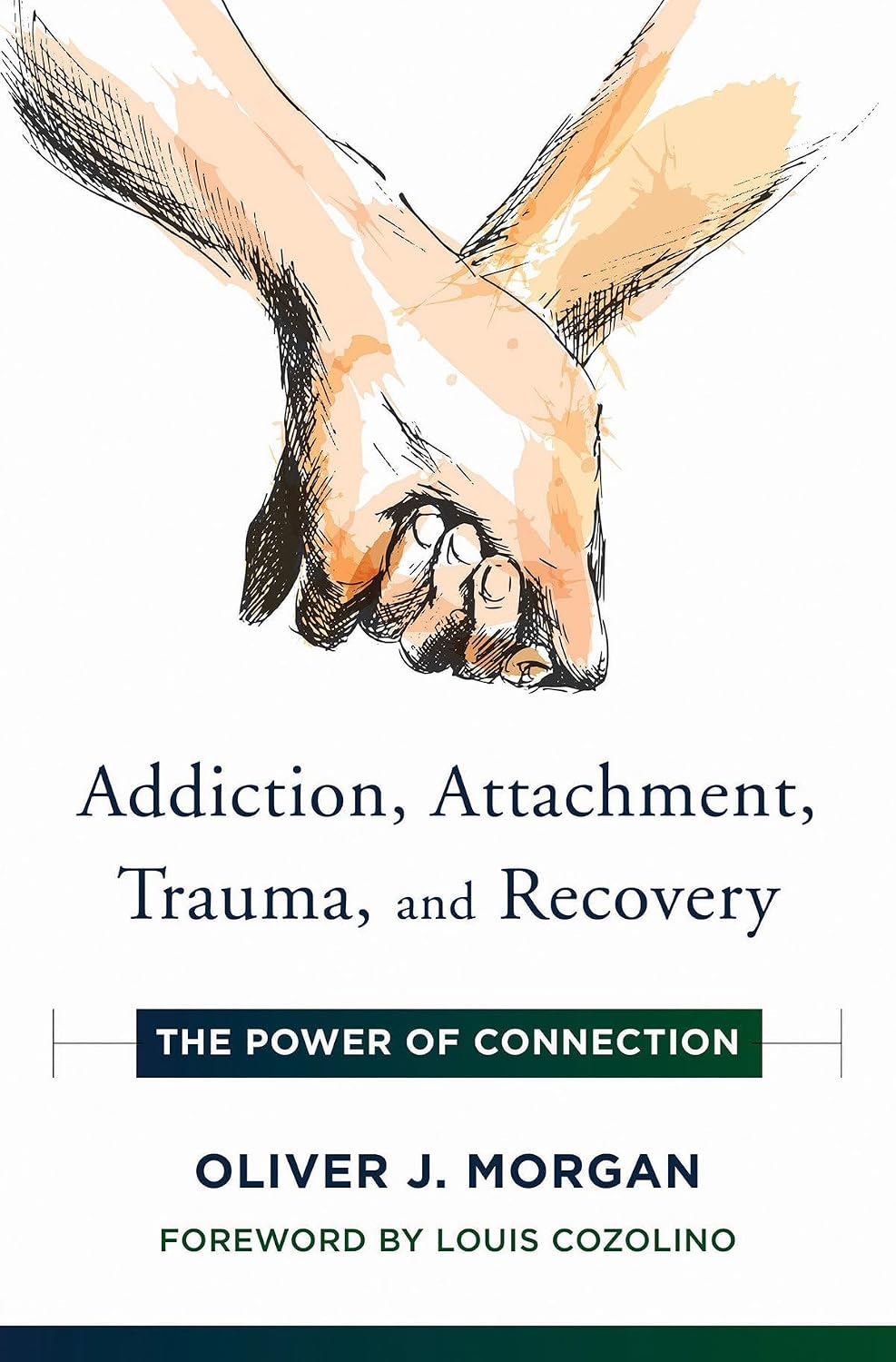
Addiction, Attachment, Trauma and Recovery: The Power of Connection offers an integrative view of addiction from the perspective of interpersonal neurobiology. This book, part of the prestigious Norton Series on Interpersonal Neurobiology, examines how early attachment experiences and trauma shape vulnerability to addictions and how connection with others can be key in the recovery process. The work combines neuroscience, developmental psychology, and relational therapy to offer a contemporary and hopeful approach.
What is interpersonal neurobiology?
Interpersonal neurobiology is an interdisciplinary field that studies how relationships and social experiences influence the development and functioning of the brain. It argues that the mind, brain, and relationships are deeply interconnected. This book applies this framework to understand addiction not as an isolated illness, but as a disorder of connection: with oneself, with others, and with the environment. Through its pages, it explains how failures in early attachment and unresolved trauma can alter brain circuits related to reward, stress, and emotional regulation, predisposing to addictive behaviors. The brain's neuroplasticity allows, however, for bond-based interventions to repair these alterations.
How are attachment and trauma related to addiction?
The book argues that addiction is, in essence, a disorder of attachment. When early attachment experiences are insecure or traumatic, the brain seeks alternative ways to regulate affect and gain a sense of security. Addictive substances or behaviors can become a substitute for the missing human connection. The work uses current research to show how trauma disrupts nervous system development and creates lasting vulnerability. However, it does not claim that addiction is inevitable; rather, it focuses on how the repair of bonds can open paths to recovery. Attachment patterns learned in childhood can be modified through safe and therapeutic relationships, offering an optimistic perspective for treatment.
Why is the power of connection important in recovery?
One of the central messages is that recovery cannot be achieved in isolation. Connection with others—whether through therapy, support groups, or safe relationships—repairs the damage caused by trauma and deficient attachment. It describes how bond-based interventions can help restore emotional regulation and a sense of belonging. The book emphasizes that the brain remains plastic throughout life and that healthy relationships can foster profound and lasting changes. In addition, it analyzes the neurobiological foundations of empathy and interpersonal attunement, key elements for building an effective support network.
Who is this book recommended for?
This book is of great value for mental health professionals, social workers, addiction counselors, and psychology students. It can also be useful for anyone interested in understanding the roots of addiction from a relational and neurobiological perspective. Although the content is rigorous, the style of the work is accessible and compassionate, making it suitable for both specialists and readers with personal experience in the subject. As always, this book is for educational purposes and does not replace consultation with a mental health professional.
What frequently asked questions arise about this book?
Is it necessary to have a psychology background to understand it? Although aimed at professionals, the book is written in a way that can be followed by anyone with an interest in the topic. Does it include practical intervention strategies? It offers a conceptual framework that can guide clinical practice, but it is not a step-by-step technique manual. Does it focus only on substance addictions? No, it also addresses behavioral addictions, as the connection model is applicable to various forms of addiction. Does it update traditional approaches? Yes, it integrates the latest findings in neuroscience and attachment theory, offering a contemporary perspective.
Important note: This book is for educational purposes and does not replace professional treatment. If you or someone you know is struggling with addiction, seek help from a qualified professional.
Envío a España y más de 25 países
Envío a España y más de 25 países
Los pedidos se preparan con información clara sobre el envío desde la ficha de producto hasta el despacho. Las estimaciones de entrega se muestran antes del pago cuando están disponibles, y los datos de seguimiento se envían tras la salida del pedido para que puedas seguir el paquete y planificar la fecha de llegada.
Returns and support
Returns and support
vitaminaspain ofrece un proceso de devolución sencillo y claro tras la compra. Consulta la política de devoluciones de la tienda antes de enviar un artículo de vuelta, ya que la elegibilidad final puede depender del estado del producto, del embalaje y de si la solicitud se inicia dentro del plazo indicado.
How to choose
How to choose
Utiliza la descripción del producto, la lista de ingredientes, la información de dosis y las variantes disponibles para comparar complementos. Comprueba siempre la lista completa de ingredientes, el modo de uso y la información de alérgenos en el envase del producto antes de tomar cualquier complemento alimenticio.
Ingredients and important information
Ingredients and important information
Las listas de ingredientes y las fórmulas pueden variar según el lote o el proveedor. Consulta siempre el envase del producto para obtener la información más actualizada. Los complementos alimenticios no deben utilizarse como sustituto de una dieta variada y equilibrada y de un estilo de vida saludable. No superes la dosis diaria recomendada. Si estás embarazada, en periodo de lactancia, tomas medicación o tienes una condición médica, consulta a tu profesional sanitario antes de usarlo.
Por qué comprar en vitaminaspain
Guía del complemento
Adicción, apego, trauma y recuperación: el poder de la conexión (Serie Norton sobre neurobiología interpersonal) en vitaminaspain
What is this book about?Addiction, Attachment, Trauma and Recovery: The Power of Connection offers an integrative view of addiction from the perspective of interpersonal neurobiology. This book, part of the prestigiou...
Cómo elegir si este complemento encaja en tu rutina
Lee la lista de ingredientes, comprueba la dosis recomendada y el modo de uso. Ten en cuenta el formato del complemento (comprimido, cápsula, líquido) y si se ajusta a tus necesidades dietéticas. Los complementos alimenticios no deben utilizarse como sustituto de una dieta variada y equilibrada y de un estilo de vida saludable.
Qué muestra vitaminaspain antes de pagar
Cada ficha de producto muestra el precio, la disponibilidad, las variantes, la información de ingredientes, el modo de uso, los alérgenos, la zona de envío y el pago seguro, para que puedas decidir con información clara.
Preguntas sobre Adicción, apego, trauma y recuperación: el poder de la conexión (Serie Norton sobre neurobiología interpersonal)
¿Adicción, apego, trauma y recuperación: el poder de la conexión (Serie Norton sobre neurobiología interpersonal) está disponible con envío a España?
Este producto no está disponible actualmente. Vuelve más tarde o consulta complementos similares en nuestro catálogo.
¿Cómo comparo este producto con otros complementos similares?
Compara los ingredientes activos, la dosis recomendada, el número de dosis por envase, el formato del complemento, la reputación de la marca y el precio por dosis. Consulta la información de alérgenos si es relevante para tu dieta.
¿Dónde encuentro información sobre envío y devoluciones?
La información de envío se muestra junto al botón de añadir al carrito. Las condiciones de devolución están disponibles en la ficha del producto y en la política de devoluciones de la tienda.
Comprar complementos con claridad
Las fichas de producto de vitaminaspain muestran ingredientes, modo de uso, alérgenos e información de envío con claridad, para que puedas comparar complementos y decidir con información clara.
Entradas del blog
Artículo de blog
Ofrece a tus clientes un resumen de tu artículo de blog